Wagga Tree Services connects Wagga Wagga and the Riverina property owners with qualified, insured local arborists for hazardous trees and related tree work. Tell us what the tree is doing and we'll match it to an operator who covers your suburb — free call, no obligation.
What makes a tree job hazardous
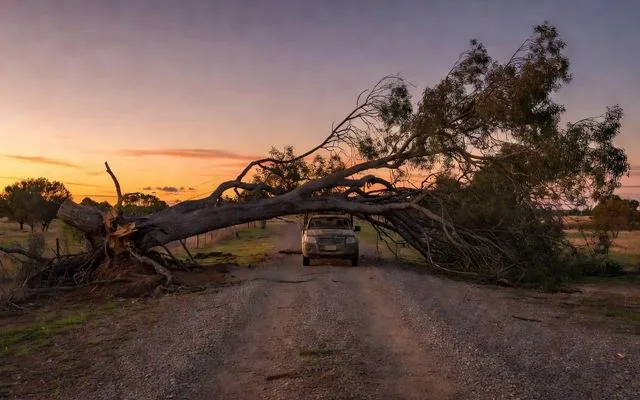
Position more than size, usually. A tree directly over a house, pool, shed or neighbouring property has no safe drop zone. Trees near powerlines carry electrocution risk and often require the network operator's involvement. Trees on the steep slopes and riverbanks around Wagga bring in fall and machinery-stability risk.
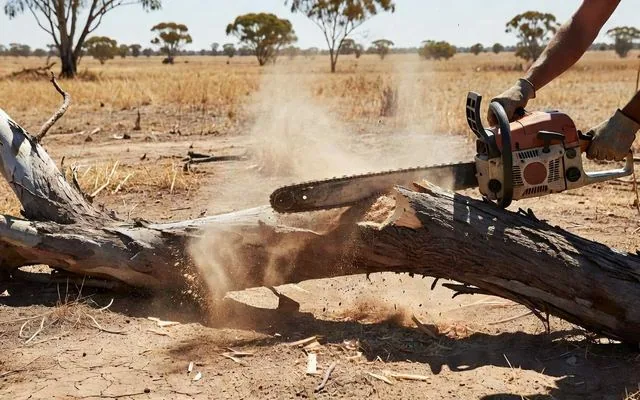
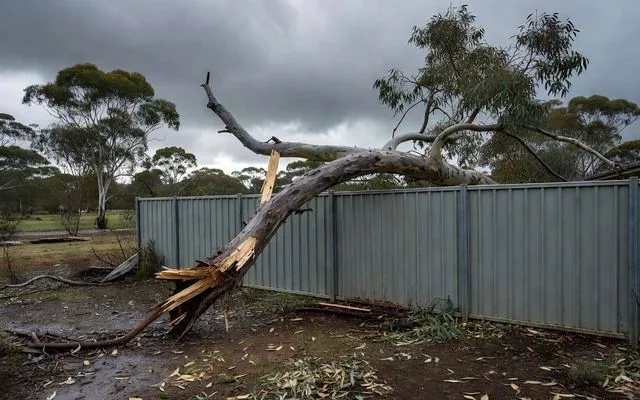
Then there's the condition of the tree itself. A structurally compromised tree — rot at the base, a split union, storm damage — behaves unpredictably when cut, which makes it far more dangerous than a healthy tree of the same size.
How these jobs get done
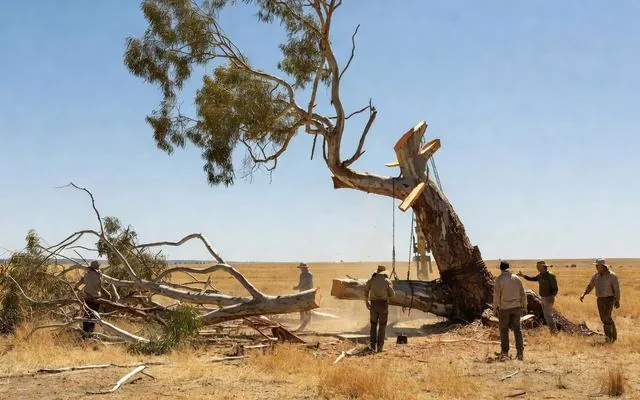
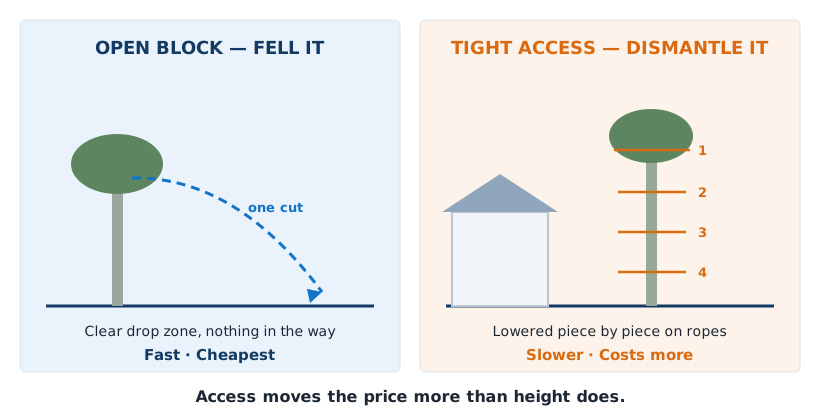
Sectional dismantling with rigging is the standard approach: a climber or EWP operator removes the tree piece by piece from the top down, with each section lowered on ropes to a controlled landing point. Nothing falls freely.
Where there's no room even for that, a crane lifts sections clear over the house to a drop zone on the street. Crane jobs need traffic management and cost accordingly, but for a large tree in a tight suburban block it's often the only safe method.
Powerlines are not a DIY situation
Work near powerlines is regulated and requires specific approvals, training and often the network operator's attendance. Do not prune around a service line yourself, and be cautious of anyone who offers to.
If a tree is contacting a line right now, stay clear and ring Essential Energy.
Insurance is the thing to check
This is where public liability cover stops being paperwork and starts being the thing standing between you and a roof repair bill. Ask to see the certificate of currency before work starts on any tree near a structure. We only refer operators who hold it.
Areas covered
Wagga Wagga and the surrounding Riverina.